The TryHackMe Web Server Attacks – I Room is the first in a series of rooms that shows how you can identify misconfigurations in Apache, Nginx, Nodes.JS and Python HTTP Web servers. The room is available at: https://tryhackme.com/room/webserverattacks.
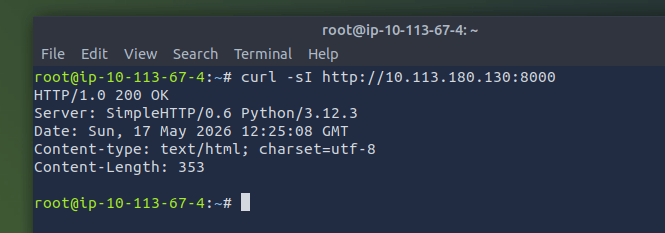
1.1 What value does the Server header return for the Python HTTP Server running on port 8000? (Answer Format: SimpleHTTP/X.X Python/X.X.X)
Answer: SimpleHTTP/0.6 Python/3.12.3
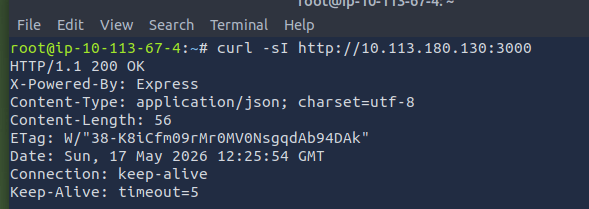
1.2 Which HTTP header reveals the application framework running on port 3000?
Answer: X-Powered-By
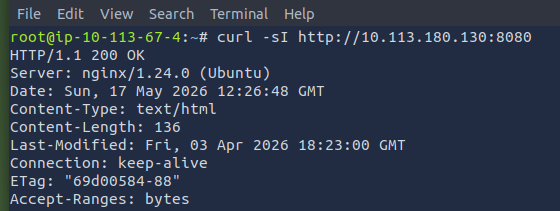
1.3 What web server software is running on port 8080?
Answer: nginx
2.1 What database password is stored in the .env file served by the Python HTTP Server?
Answer: S3cur3DBPass!

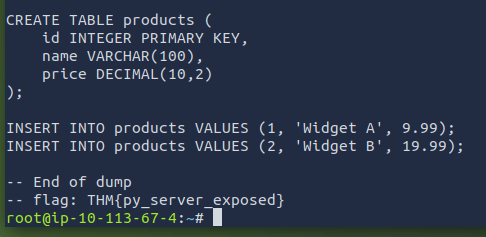
2.2 What is the flag found inside the backup archive served by the Python HTTP Server?
Answer: THM{py_server_exposed}
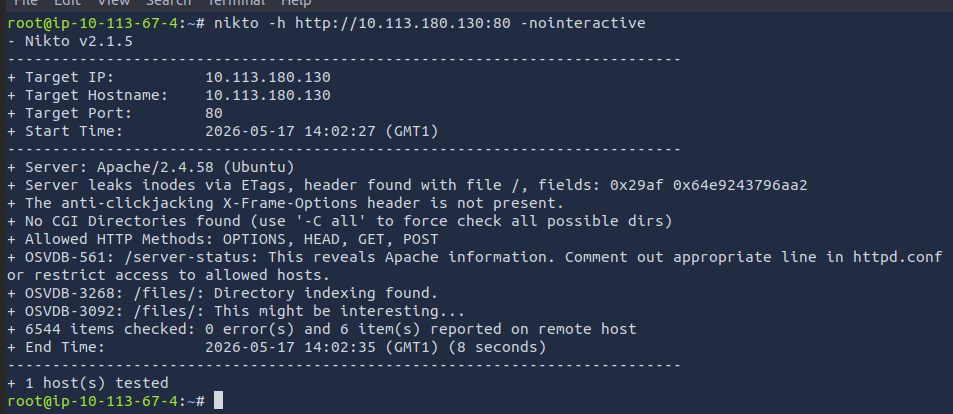
3.1 What Apache module exposes real-time server statistics at /server-status?
Answer: mod_status
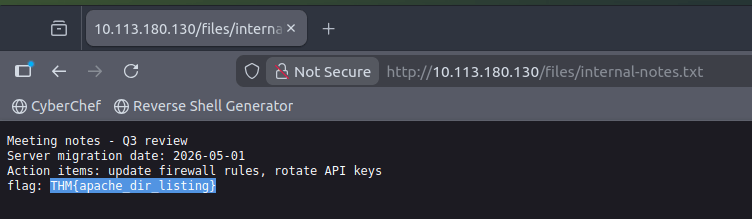
3.2 What is the flag found in the /files/ directory on Apache?
Answer: THM{apache_dir_listing}
5.1 What value does the NODE_ENV variable have in the debug endpoint response?
Answer: development

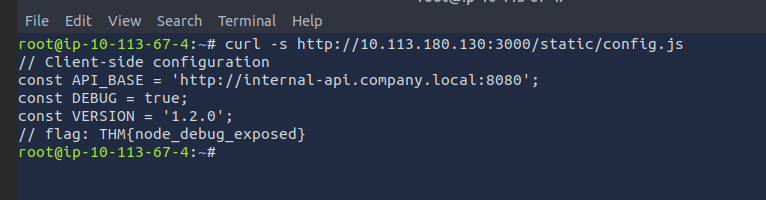
5.2 What is the flag found in the static files served by the Node.js application?
Answer: THM{node_debug_exposed}
6.1 What Nginx directive enables directory listing in a location block?
Answer: autoindex on
6.2 What URL path exposes Nginx connection statistics?
Answer: /nginx_status

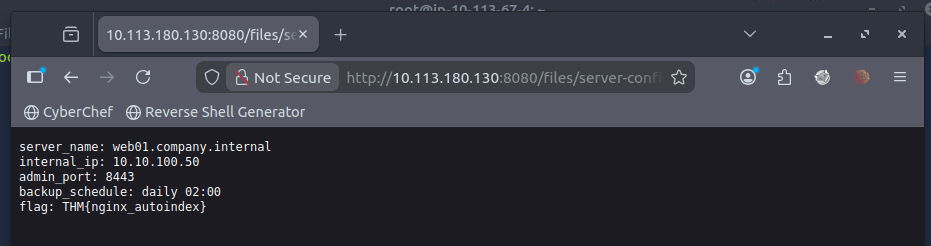
6.3 What is the flag found in the directory listing on port 8080?
Answer: THM{nginx_autoindex}
7.1 Which security header, when missing, allows a page to be embedded in an iframe on another domain?
Answer: X-Frame-Options
7.2 What finding text does Nikto report when it detects directory indexing on the /files/ path?
Answer: Directory indexing found